
Eco Friendly Ideas in Property Design
In the modern era of construction and urban planning, the concept of eco property design has shifted from novelty to necessity. Rising concerns over climate change, limited resources, and population density demand that new approaches to housing embrace both sustainability and innovation. Developers, architects, and homeowners alike are rethinking what makes a home functional, stylish, and environmentally sound.
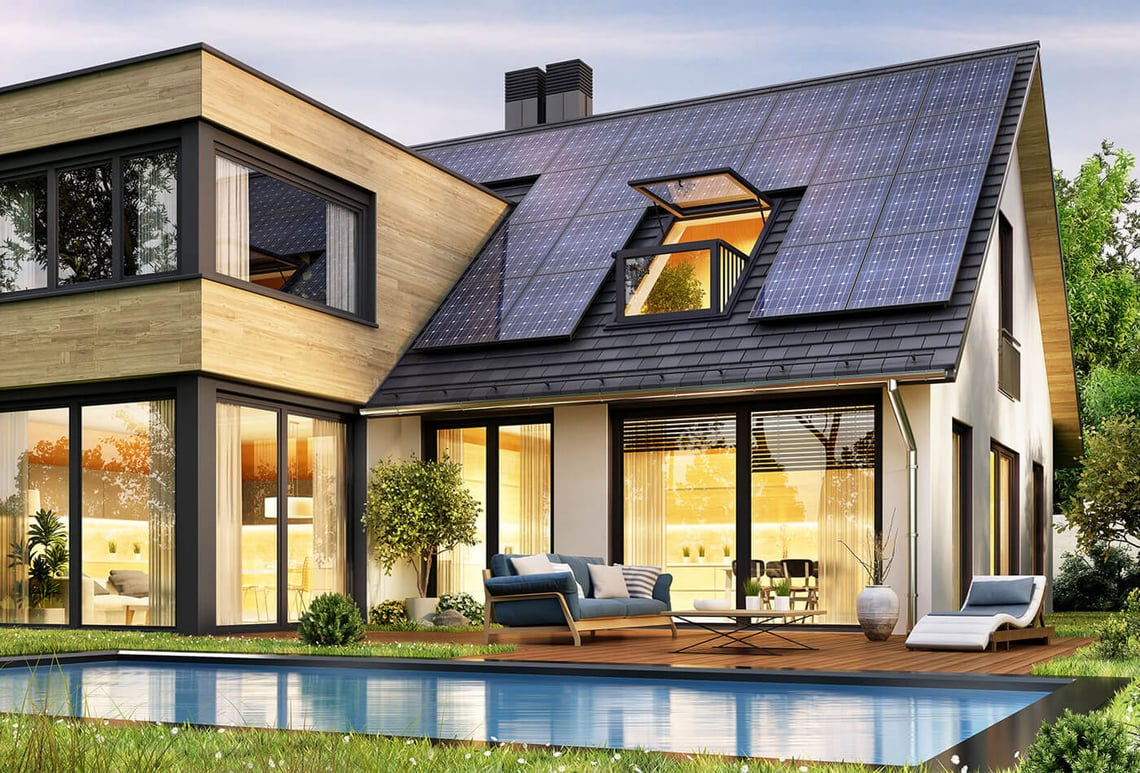
Harnessing Natural Light and Ventilation
One of the simplest yet most effective sustainable housing ideas is maximizing natural light and airflow. Large windows, skylights, and well-planned ventilation systems reduce reliance on artificial lighting and mechanical cooling. These architectural strategies create healthier interiors while minimizing energy bills. Thoughtful positioning of living spaces in relation to the sun’s path ensures warmth in colder months and shading in warmer seasons.
Renewable Energy Integration
Modern green real estate prioritizes energy sources that regenerate rather than deplete. Solar panels, small-scale wind turbines, and geothermal heating systems transform homes into producers, not just consumers, of energy. This integration is not merely an environmental gesture. It is a financial safeguard, insulating households from the volatility of global energy markets.
Battery storage solutions allow homeowners to capture excess energy for use during peak demand. In urban areas, community-shared solar grids expand accessibility and demonstrate how collective sustainability can thrive in densely populated spaces.
Sustainable Materials in Construction
Choosing the right materials plays a critical role in creating environment friendly homes. Bamboo, reclaimed wood, recycled steel, and low-emission concrete reduce ecological footprints while maintaining durability. Locally sourced resources also cut transportation emissions and support regional economies.
Beyond initial construction, finishes and furnishings crafted from non-toxic, biodegradable materials ensure long-term safety for occupants. Eco-conscious paint, flooring, and insulation not only protect the environment but also improve indoor air quality.
Water Efficiency and Conservation
Water scarcity continues to challenge many regions, making conservation an essential element of eco property design. Rainwater harvesting systems, greywater recycling, and low-flow fixtures drastically reduce consumption. Landscaping with drought-resistant native plants, often referred to as xeriscaping, further minimizes water waste.
Smart irrigation technology takes efficiency to the next level by using sensors to deliver water only when necessary. These approaches simultaneously lower utility costs and preserve one of Earth’s most vital resources.
Smart Technology and Automation
The marriage of sustainability with innovation is evident in smart home technologies. Automated systems that adjust lighting, heating, and cooling according to occupancy or time of day optimize energy use. Intelligent thermostats, energy monitors, and motion-sensing lights align seamlessly with sustainable housing ideas, providing convenience while curbing excess.
By analyzing household energy patterns, these systems empower residents to make informed choices that benefit both their wallets and the environment.
Urban Green Spaces and Biodiversity
As cities expand, the need for green real estate extends beyond individual properties. Incorporating rooftop gardens, vertical forests, and community green corridors enriches biodiversity and improves air quality. These spaces act as natural insulators, absorbing heat in summer and retaining warmth in winter.
For residents, they also provide havens of tranquility within urban environments. The fusion of nature with architecture redefines the notion of livability in high-density regions.
Circular Economy in Property Development
Another dimension of environment friendly homes lies in adopting principles of the circular economy. Instead of the traditional build-use-dispose model, circular construction emphasizes reuse, adaptability, and regeneration. Modular housing, for example, allows components to be disassembled and repurposed with minimal waste.
Such practices not only protect the planet but also yield economic advantages by reducing long-term costs and material dependency.
Community-Centered Design
Sustainability flourishes when approached collectively. Shared renewable energy sources, communal gardens, and neighborhood recycling programs amplify the benefits of eco property design. These initiatives build stronger connections among residents while reducing environmental impact on a larger scale.
Developments that incorporate mixed-use spaces, walkable layouts, and public transport accessibility further reduce reliance on cars, cutting emissions dramatically.
A Vision for Tomorrow
The growing momentum toward sustainable housing ideas reflects a deeper understanding that homes shape more than lifestyles. They shape the future of the planet. From renewable energy systems to water-conscious landscaping, each innovation strengthens the relationship between human needs and environmental balance.
By embracing green real estate principles, society is moving toward spaces that are not only functional and aesthetically pleasing but also deeply respectful of ecological systems. The homes of tomorrow are envisioned as regenerative hubs that give back as much as they take.
The pursuit of environment friendly homes is not confined to niche markets. It is becoming the foundation of modern architecture and property development. Through careful material choices, integration of renewable energy, water conservation, and community-driven initiatives, property design evolves into a catalyst for global sustainability.
Living sustainably is no longer an abstract concept. It is a tangible practice embedded in the bricks, beams, and gardens of every forward-thinking home. And with each step, the promise of a healthier, more resilient world comes closer to reality.


