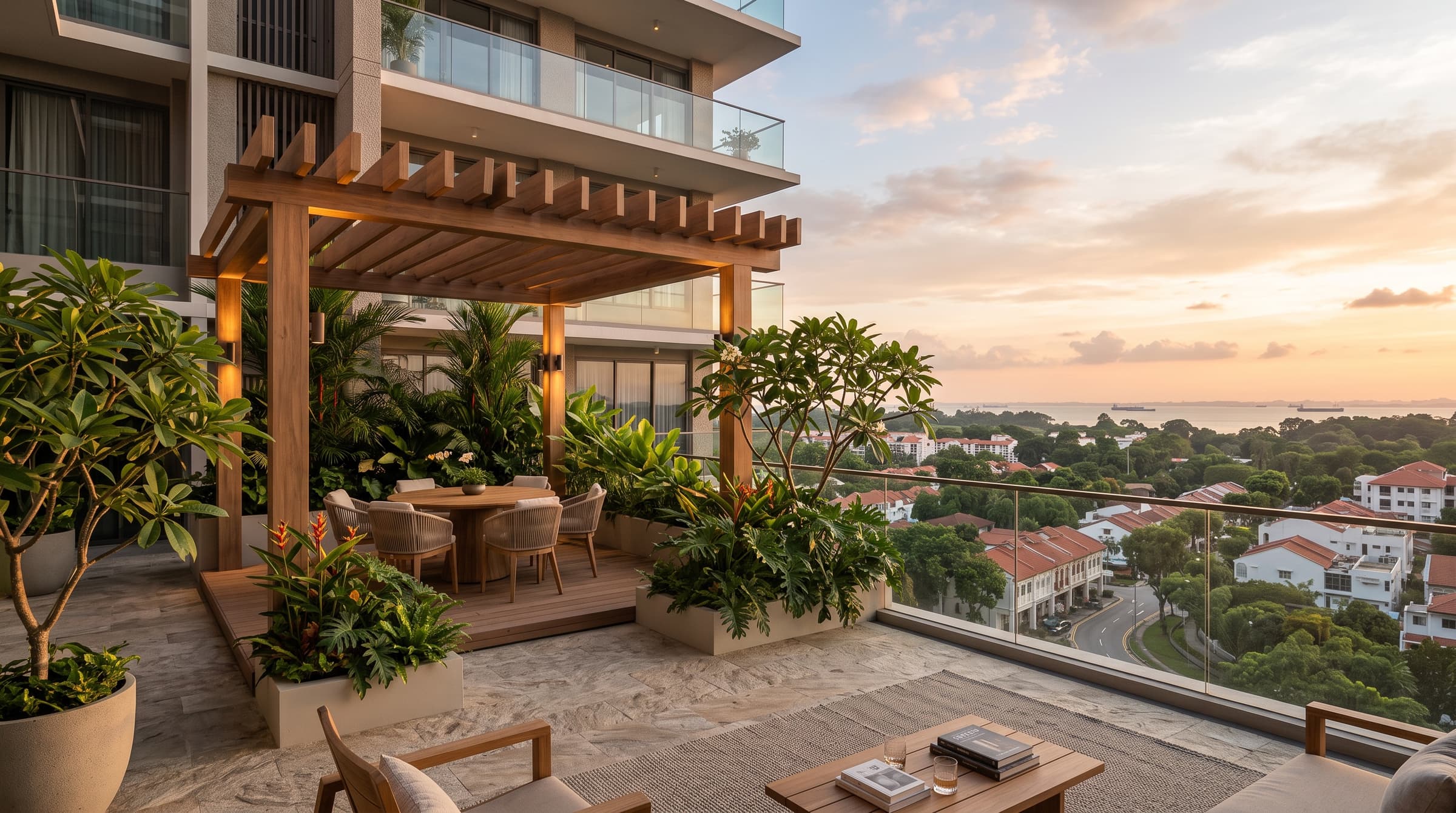
Eco Friendly Ideas in Real Estate Design
As the world becomes increasingly conscious of environmental stewardship, the realm of real estate design is undergoing a remarkable transformation. The demand for eco friendly real estate is rising sharply, reshaping how homes are conceived, built, and lived in. From energy-efficient technologies to sustainable materials, these innovations are not only beneficial for the planet but also offer homeowners reduced costs and enhanced well-being. This new wave of green housing innovations blends aesthetic appeal with ecological responsibility, making sustainability an integral part of modern living.

The Rise of Sustainable Architecture
Sustainability in real estate design transcends mere functionality; it embodies a philosophy that harmonizes human habitation with nature. Architects and developers are increasingly adopting biomimicry and passive design principles to minimize environmental impact. These approaches harness natural elements such as sunlight, wind, and thermal mass to regulate temperature and lighting without excessive reliance on artificial systems.
In this context, modern eco property projects integrate features like expansive windows for natural illumination, green roofs that reduce heat absorption, and rainwater harvesting systems. These design choices exemplify a commitment to resource conservation while enhancing occupant comfort. Such strategies are becoming standard in forward-thinking developments across the globe.
Materials Matter: The Building Blocks of Sustainability
Selecting environmentally responsible materials is paramount in crafting eco friendly real estate. Traditional construction often involves resource-intensive processes and non-renewable materials, but alternatives are gaining prominence. Reclaimed wood, bamboo, and recycled steel are just a few examples of eco-conscious choices that reduce waste and carbon footprints.
Furthermore, low-VOC paints and finishes contribute to healthier indoor air quality, which is essential for occupants’ wellness. These subtle yet impactful elements of design elevate the entire living experience, aligning with the ethos of green housing innovations.
Energy Efficiency: The Heart of Eco Design
One of the most critical aspects of sustainable real estate is energy efficiency. With rising energy costs and environmental concerns, homeowners and builders prioritize systems that reduce consumption and promote renewable energy.
Solar panels have become a hallmark of luxury sustainable homes, transforming rooftops into power generators. Advances in photovoltaic technology make these systems more affordable and efficient than ever before. Additionally, geothermal heating and cooling systems offer year-round climate control by leveraging the earth’s stable temperatures.
Insulation and smart thermostats also play significant roles in optimizing energy use. Combined, these technologies create residences that not only lessen environmental impact but also reduce utility bills substantially.
Water Conservation and Management
Water scarcity is a pressing global issue, and responsible real estate design must address it thoughtfully. Modern eco properties often incorporate sophisticated water-saving measures such as low-flow fixtures, greywater recycling, and drought-resistant landscaping.
Rainwater harvesting systems capture and store precipitation, enabling irrigation and non-potable water use. These features embody the principles of green housing innovations, showcasing how ecological mindfulness can be elegantly integrated into residential living.
Smart Homes and Sustainable Technology
Technology is a powerful enabler of sustainability in real estate. Smart home systems empower residents to monitor and control energy and water consumption effortlessly. Through connected devices, lighting, heating, and appliances adjust automatically based on occupancy and preferences, ensuring no resource is wasted.
Beyond convenience, these innovations foster an intimate connection between inhabitants and their environment. For those seeking luxury sustainable homes, the fusion of cutting-edge technology with green principles creates a seamless lifestyle that is both indulgent and responsible.
Landscaping with Nature in Mind
Sustainable real estate design extends beyond the building itself. Landscaping choices significantly impact a property’s ecological footprint. Native plants, xeriscaping, and organic gardening reduce water use and eliminate the need for harmful pesticides and fertilizers.
Green spaces serve multiple purposes: they improve air quality, provide natural cooling, and enhance biodiversity. Thoughtfully designed outdoor areas complement modern eco property projects by fostering a holistic relationship between residents and their surroundings.
The Appeal of Eco Friendly Real Estate in the Market
The market for eco friendly real estate is expanding rapidly as awareness grows. Buyers increasingly seek homes that align with their values of sustainability and health. Moreover, properties designed with green principles tend to retain value better and attract discerning tenants.
Developers who embrace green housing innovations often find that eco-conscious features become significant selling points. Beyond ethical considerations, these elements translate to tangible benefits, including lower maintenance costs, improved durability, and higher occupant satisfaction.
Luxury Sustainable Homes: Redefining Opulence
Sustainability and luxury are no longer mutually exclusive. The emergence of luxury sustainable homes demonstrates how eco-conscious design can coexist with sophistication and comfort. High-end materials, expansive indoor-outdoor living spaces, and bespoke eco-friendly amenities create residences that are both elegant and earth-friendly.
Features such as energy-efficient pools, organic spas, and biophilic design elements bring nature indoors, creating sanctuaries that nourish both body and soul. These homes appeal to a clientele that values exclusivity while championing environmental responsibility.
Challenges and Future Directions
While eco friendly real estate is on the rise, challenges remain. Initial construction costs can be higher, and navigating regulatory frameworks requires expertise. Nevertheless, the long-term benefits far outweigh these obstacles.
Looking forward, innovations such as carbon-neutral construction, modular green homes, and enhanced recycling technologies promise to further revolutionize the industry. As global awareness intensifies, sustainable design will increasingly become the norm rather than the exception.