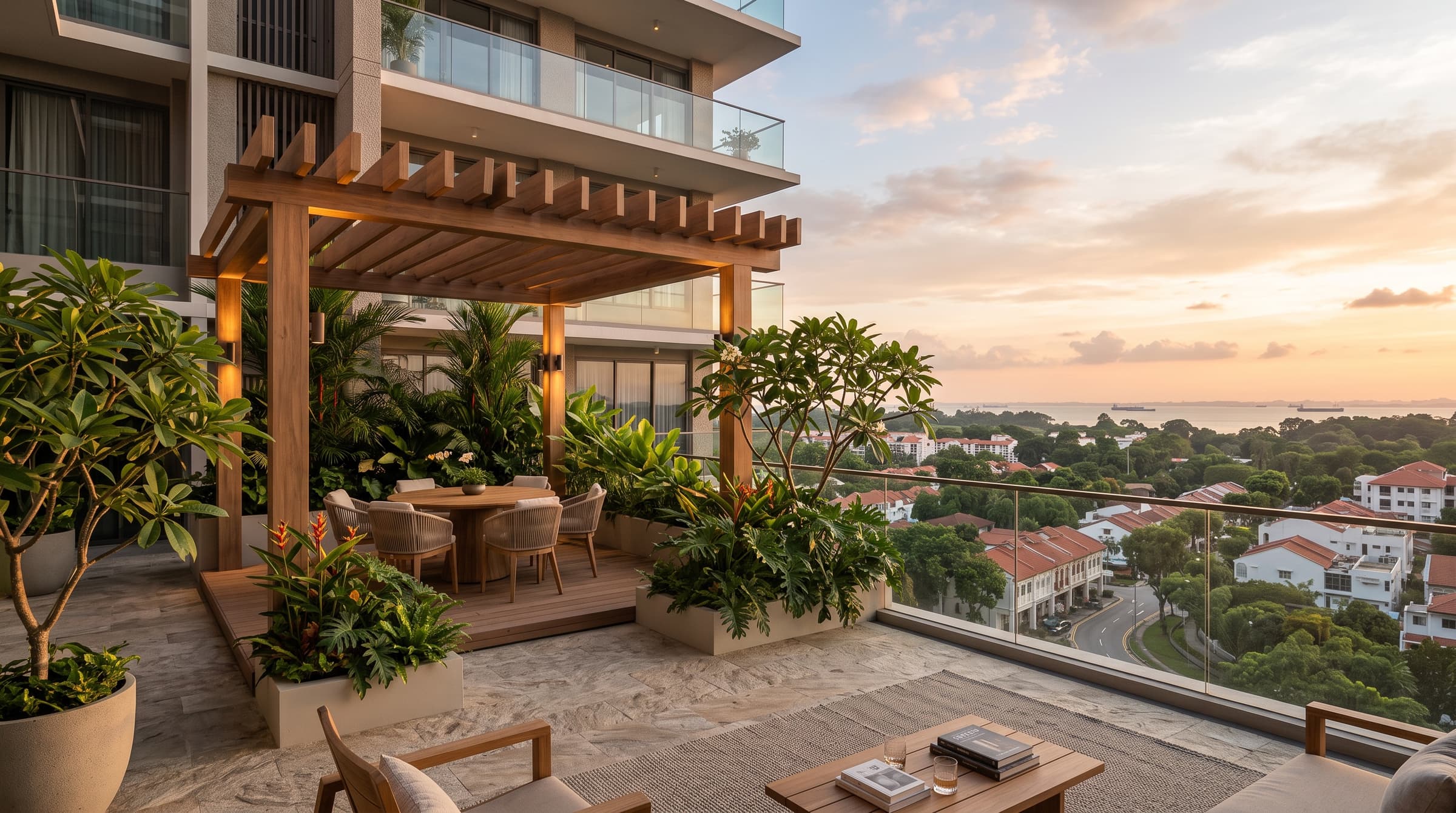
Luxury Real Estate on the Rise in 2025
The global property landscape is undergoing a transformation. In 2025, demand for high-end residences is not only expanding but redefining the way wealth interacts with living spaces. A clear trend is emerging: the luxury property rise 2025 is being fueled by evolving lifestyle preferences, technological advancements, and unprecedented global affluence. Investors, developers, and buyers are converging on markets that promise exclusivity, innovation, and long-term stability.

Drivers Behind the Surge
The post-pandemic years reshaped priorities. Privacy, security, and comfort now dominate the minds of affluent buyers. This change has magnified the real estate market growth in luxury segments across global hubs such as Dubai, New York, London, and Singapore. These cities have long attracted international capital, yet 2025 reveals a heightened appetite for properties that combine elegance with functionality.
The digital economy also plays a role. Entrepreneurs, remote executives, and technology innovators increasingly seek residences that double as sanctuaries and productive environments. Smart homes with integrated automation, wellness-focused architecture, and sustainable materials are setting the standard for this era.
Elite Housing Investments
For discerning investors, elite housing investments are becoming indispensable components of diversified portfolios. Unlike volatile equities or speculative assets, luxury real estate delivers stability while appreciating in value. Waterfront villas, penthouses with skyline panoramas, and heritage estates in historic districts are commanding record-breaking prices.
High-net-worth individuals see such acquisitions not just as places to live but as enduring symbols of legacy. Intergenerational wealth planning often includes luxury properties, which provide both tangible security and cultural significance. For this reason, luxury assets have demonstrated remarkable resilience even in turbulent markets.
Shifting Geographies of Luxury
While established capitals remain dominant, 2025 also shines a spotlight on emerging destinations. Cities in Southeast Asia, Eastern Europe, and the Middle East are gaining traction as luxury enclaves. Strategic infrastructure projects, favorable tax regimes, and lifestyle appeal are attracting both regional elites and global investors.
This shift broadens the definition of prime property markets. The luxury property rise 2025 is not confined to traditional metropolises. Instead, it reflects a more globalized demand, where secondary cities with strong cultural identities and modern amenities rapidly ascend in desirability.
The Role of Sustainability
An essential characteristic of contemporary luxury lies in sustainability. Buyers are increasingly conscious of their environmental impact, pushing developers to adopt green technologies and renewable energy solutions. From geothermal heating systems to solar-powered villas, the integration of eco-conscious features is now an expectation rather than a novelty.
Properties that successfully merge opulence with responsibility enjoy heightened demand. This dual focus contributes directly to real estate market growth, as developers innovate to satisfy a generation of buyers who want both luxury and conscience.
Future Housing Outlook
The future housing outlook for 2025 and beyond remains optimistic, especially for premium segments. Rising global wealth, demographic shifts, and continued urbanization are all propelling demand upward. Moreover, geopolitical stability in certain regions is encouraging cross-border investment flows, ensuring liquidity in high-end markets.
Technological advancements will continue to shape the landscape. From biometric security systems to AI-driven property management, innovation will enhance both the desirability and efficiency of luxury residences. These advancements not only elevate lifestyles but also secure long-term value appreciation.
Opportunities for Investors
Astute investors are recognizing that entering the luxury segment in 2025 requires more than just capital. Strategic foresight is crucial. Analyzing cultural trends, tracking migration of global wealth, and anticipating policy changes can all provide competitive advantages.
Furthermore, properties with unique attributes—whether location, architecture, or historical significance—tend to outperform generic high-end offerings. In a crowded market, differentiation ensures resilience and consistent appreciation. For this reason, elite housing investments that prioritize rarity and exclusivity will continue to command premium returns.
Lifestyle as a Value Multiplier
At the heart of luxury real estate lies lifestyle. Buyers are not purchasing walls and square footage; they are investing in experiences. Proximity to fine dining, art districts, pristine beaches, or world-class golf courses often determines a property’s desirability. The emphasis on lifestyle elevates property beyond mere utility, transforming it into a holistic representation of personal identity and social status.
As 2025 unfolds, this pursuit of elevated living will drive further real estate market growth. Luxury is no longer a static category but a dynamic interplay between architecture, technology, and culture.
The luxury property rise 2025 illustrates how global real estate is shifting toward sophistication, sustainability, and strategic investment. By focusing on elite housing investments that blend exclusivity with innovation, investors secure assets that withstand volatility while appreciating over time. With a promising future housing outlook, luxury real estate stands poised to remain a defining force in wealth creation and lifestyle evolution throughout the decade.