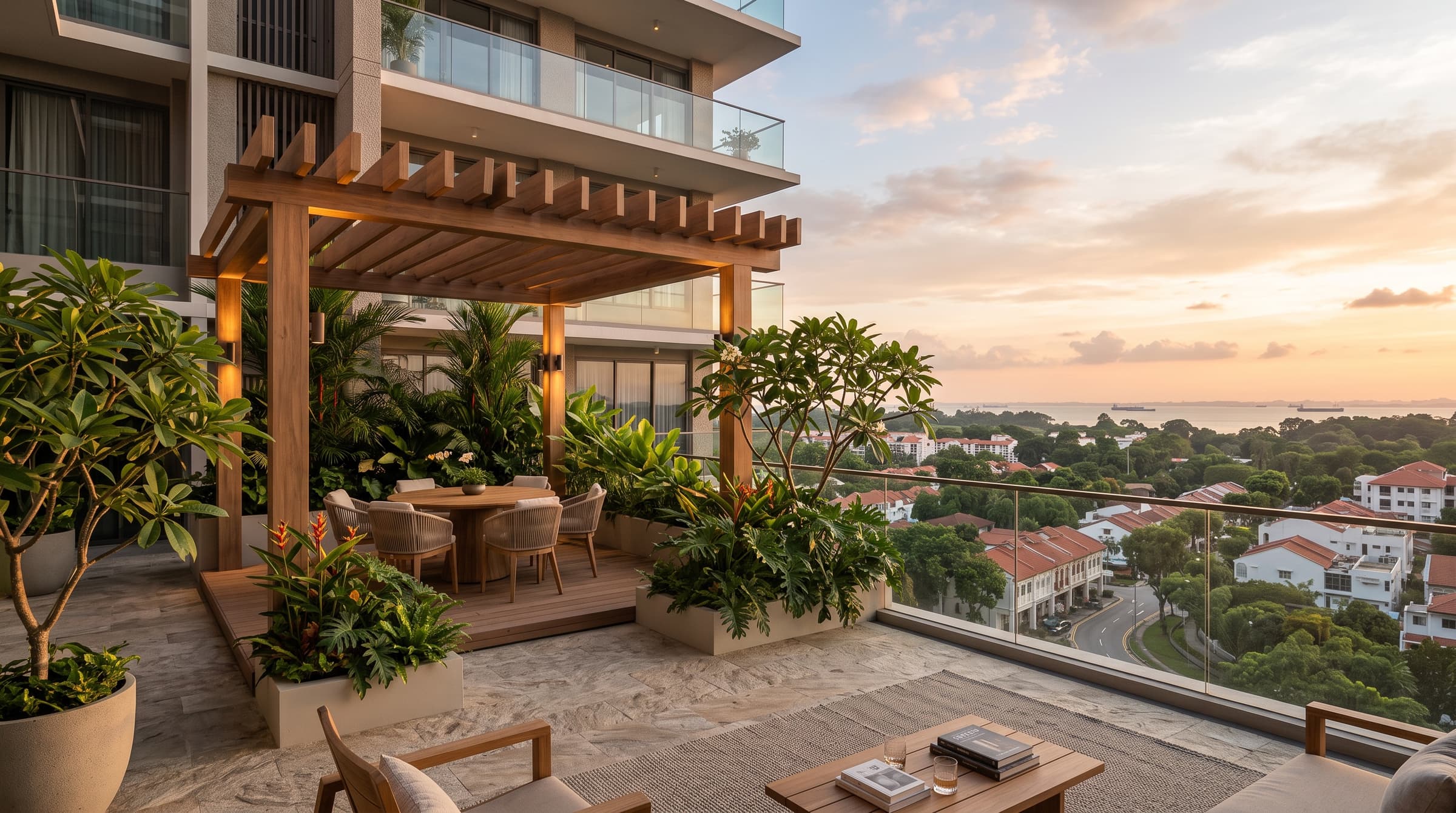
Real Estate Trends Shaping 2025 Markets
As we move through 2025, the property landscape is evolving at a pace unmatched in previous decades. A combination of technological advancements, shifting demographics, and changing lifestyle preferences is creating a dynamic environment across the globe. From suburban reinvention to sustainability-driven construction, the market is witnessing a renaissance of both form and function. Here’s a deep dive into the real estate 2025 trends poised to define the year’s most significant market movements.

Smart Homes Are Now Standard
Smart technology has transitioned from luxury to expectation. Homes today are being built with integrated systems that control lighting, temperature, security, and even appliances—all from a smartphone. Voice-activated assistants and AI-driven systems are becoming baseline features in mid to high-end properties.
What was once a futuristic concept is now essential to modern real estate growth. Buyers and renters alike seek seamless digital living experiences that enhance comfort, efficiency, and security. Smart home integration also plays a key role in energy conservation, making tech-forward homes both intelligent and eco-friendly.
Suburbs Are Making a Stylish Comeback
Urban sprawl is getting a makeover. As remote work continues to offer flexibility, many professionals are leaving dense city centers for high-design suburban homes. But these are not the sleepy cul-de-sacs of the past. Today’s suburbs offer curated communities complete with co-working spaces, artisanal markets, wellness studios, and entertainment hubs.
The migration is being driven by a desire for space without sacrificing modern convenience. It’s one of the most noticeable future property market shifts, as families and young professionals seek a better work-life blend. Developers are responding by transforming suburban neighborhoods into lifestyle-centric enclaves.
Sustainability Sells
Green isn’t just a buzzword; it’s a priority. Energy-efficient homes, sustainable materials, and eco-conscious infrastructure are now influencing property values more than ever before. Buyers are asking hard questions about carbon footprints, solar capabilities, water efficiency, and indoor air quality.
Eco-certifications are no longer niche. They’re marketable features that help homes sell faster and at higher prices. In commercial real estate, sustainability is impacting everything from tenant leasing preferences to long-term investment strategies. This ecological shift is a defining component of real estate 2025 trends.
The Rise of Wellness-First Design
Health and wellness have become core design principles in both residential and commercial developments. From circadian lighting systems to indoor gardens and wellness rooms, developers are tapping into a new wave of bio-integrated architecture.
In high-end housing, features such as saltwater pools, infrared saunas, and air purification systems are standard expectations. These wellness elements are no longer limited to elite buyers either. Entry-level developments are also being influenced by these trends, marking a key shift in what’s considered essential in 2025 living.
Multi-Use and Adaptive Spaces
Open-concept layouts are evolving to serve the multifaceted needs of modern occupants. Living rooms are doubling as yoga studios, dining rooms transform into remote offices, and guest rooms are being outfitted with Murphy beds and soundproofing for podcasting or private work.
This flexibility is more than a clever design choice. It reflects how people live, work, and relax today. Multifunctional layouts are part of a broader modern real estate growth trend that prioritizes adaptability. As buyer demands grow more complex, spaces must be nimble, not static.
Luxury Is Becoming More Personalized
Affluent buyers are no longer satisfied with traditional opulence. Instead, they crave spaces that reflect their identities and lifestyles. Customization is the name of the game. Private art galleries, temperature-controlled wine rooms, NFT vaults, and wellness gardens are taking over traditional bonus rooms.
These shifts highlight evolving luxury housing insights. It’s not just about premium materials or square footage. It’s about curated living experiences that blur the line between home and sanctuary. Luxury buyers are prioritizing intentional design over ostentatious display.
Urban Centers Reinvent Themselves
Cities are not fading—they’re transforming. High-density areas are focusing on livability rather than density alone. Public green spaces, bike lanes, mixed-use buildings, and vertical gardens are reshaping skylines. Adaptive reuse projects are breathing new life into former industrial zones, converting them into hip live-work-play districts.
These changes reflect deeper future property market shifts. As cities adjust to post-pandemic expectations, their success depends on offering both vibrancy and versatility. Real estate investors are keeping a close eye on urban redevelopment plans, particularly those that prioritize culture, walkability, and sustainability.
Technology in Transactions
The way people buy and sell property is also evolving. Virtual tours, blockchain-based title transfers, and AI-driven pricing models are simplifying what used to be complex and time-consuming processes. For investors and agents, this means greater accuracy, efficiency, and transparency.
These technological innovations are streamlining deals while also attracting a new generation of digital-savvy buyers. As part of real estate 2025 trends, expect to see more decentralized finance (DeFi) solutions enter the market, especially in cross-border transactions and fractional property ownership models.
Final Thoughts
The property market in 2025 is a blend of progress, personalization, and purpose. Whether it’s smarter homes, greener builds, or more dynamic communities, the direction is clear: real estate is no longer just about location, but about how that location supports a way of life.
By paying close attention to these real estate 2025 trends, industry professionals, buyers, and investors can navigate the terrain with insight and agility. The fusion of technology, sustainability, and lifestyle is not a temporary evolution—it’s the foundation of the next chapter in real estate.