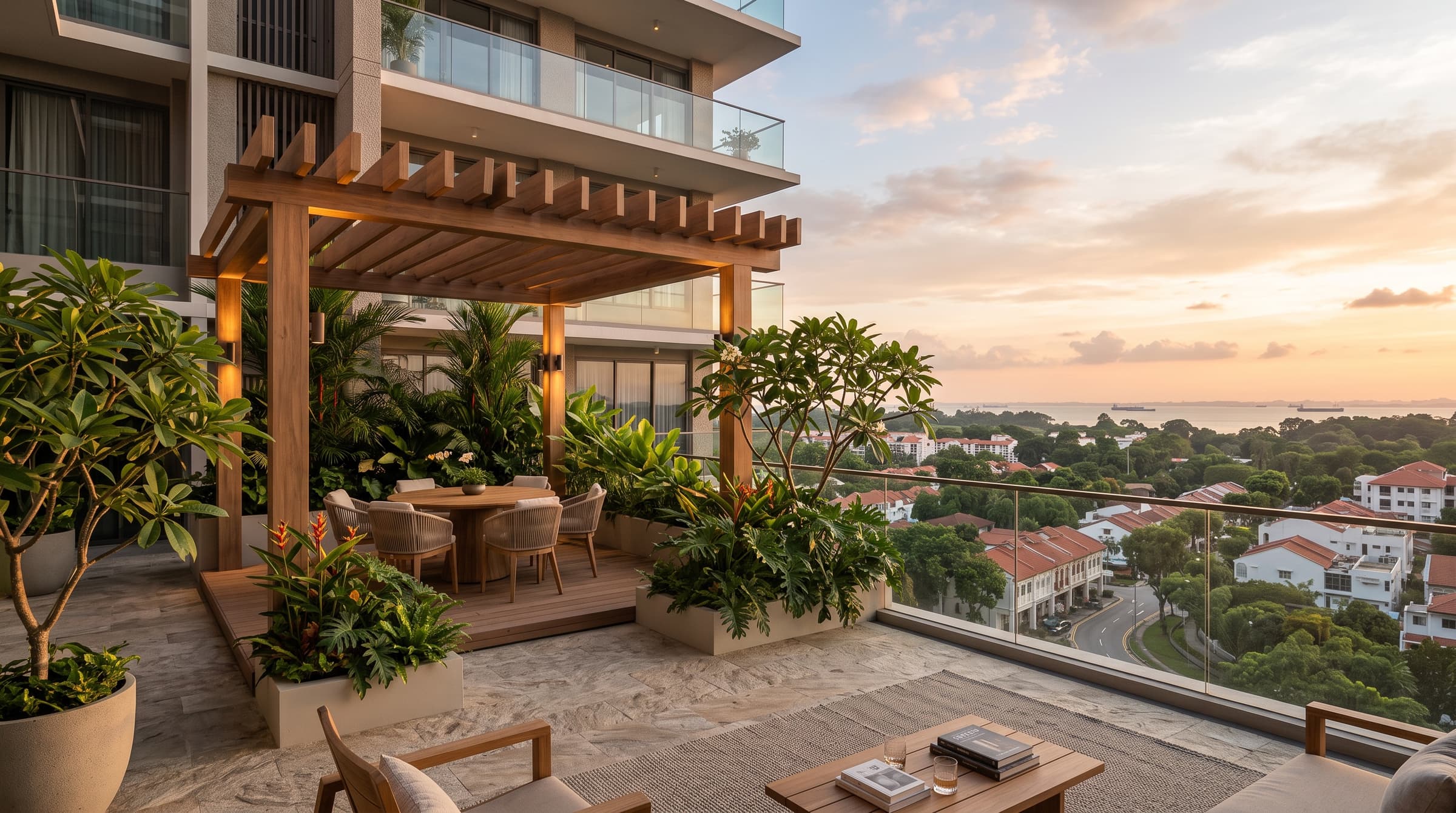
The Future of Real Estate Development
The real estate landscape is undergoing a dynamic transformation. As cities grow, technologies advance, and lifestyles evolve, the path forward is marked by innovation, sustainability, and bold architectural ambition. The future property development sector is no longer just about constructing buildings. It is about shaping the way people live, work, and connect.
\

Intelligent Urban Planning Takes the Lead
Tomorrow’s cities are being designed with intelligence at their core. Developers are embracing data-driven urban planning to create smarter, more efficient communities. These aren’t just spaces to inhabit. They’re environments engineered to enhance quality of life.
Green corridors, integrated transport systems, and digitally connected infrastructure are emerging as standard features. In this shift, the emphasis is on mixed-use spaces that blend residential, commercial, and leisure facilities. Convenience is no longer a luxury. It’s a baseline expectation.
This approach to future property development reflects a growing awareness: communities must be sustainable, resilient, and people-centric.
Sustainable Design as a Status Symbol
Eco-conscious design is not a fleeting trend. It is quickly becoming a hallmark of forward-thinking real estate. From carbon-neutral skyscrapers to energy-positive homes, the next wave of development is deeply rooted in environmental stewardship.
Solar glass facades, green roofs, passive heating systems, and recycled building materials are being woven into high-profile projects worldwide. Regulatory frameworks are pushing sustainability, but so is demand. Buyers and investors increasingly favor properties that align with their ecological values.
Sustainability is especially prominent in luxury construction projects, where innovation and prestige go hand in hand. Green building certifications, smart water management, and biophilic design are redefining what it means to live in luxury.
Technology at the Heart of Progress
The integration of technology into real estate development is more profound than ever. Artificial intelligence, Internet of Things (IoT), and automation are not merely enhancing property management. They are redefining it.
Developers now use predictive analytics to determine the most profitable locations, optimal building types, and pricing strategies. Construction sites benefit from drones, robotics, and 3D printing to increase speed and reduce costs. Meanwhile, virtual and augmented reality are revolutionizing how buyers engage with unbuilt spaces.
These technological strides are not isolated improvements. They are collectively accelerating real estate growth trends, creating a more agile and responsive industry.
Redefining Luxury Through Innovation
In the upper tiers of the market, expectations continue to rise. Today’s elite buyers seek properties that are both spectacular and smart. Opulence is now measured by personalized technology, wellness amenities, and holistic experiences.
The latest luxury construction projects are showcasing features like private wellness spas, climate-adaptive façades, automated lighting that mimics circadian rhythms, and even AI-driven art installations. Residences are evolving into curated environments, meticulously crafted to support health, creativity, and comfort.
This isn’t just luxury for show. It’s luxury with purpose. And it’s reshaping how high-end developments are conceptualized and executed.
Suburban Renaissance and Emerging Markets
While urban centers remain hotbeds for innovation, there’s a notable shift toward secondary cities and emerging locales. Remote work, lifestyle migration, and affordability are driving new waves of modern housing expansion beyond traditional metropolitan hubs.
Developers are identifying overlooked regions with untapped potential. Think waterfront properties in lesser-known coastal towns, or wellness-centric communities in the countryside. These areas are becoming magnets for both developers and digital nomads looking for more value, space, and tranquility.
This suburban renaissance reflects broader real estate growth trends, where mobility and flexibility are reshaping the map of investment potential.
Modular Construction and Flexible Spaces
The need for speed, adaptability, and efficiency is pushing construction into new territory. Modular building techniques, prefabricated components, and adaptive architecture are changing how developments are brought to life.
Residential spaces are becoming more fluid. Rooms are designed to transform as needs evolve — home office by day, guest room by night. In multifamily projects, shared amenities such as coworking lounges and wellness zones are prioritized.
These features not only support modern living but also enhance market appeal. Developers who embrace modularity and flexibility are well-positioned to thrive in the ever-shifting real estate environment.
The Future Is Experience-Oriented
A major paradigm shift is underway: the move from owning a property to experiencing a lifestyle. Developers are designing for how people feel in a space, not just how it looks. Wellness, community, convenience, and personalization are central themes.
Properties that offer curated experiences — from rooftop farms to digital concierge services — are capturing attention. This evolution is at the heart of future property development, where emotional connection is just as important as architectural integrity.